
Drinking Water Purification
Activated carbon is an effective and well understood technology used for removal of contaminants in drinking water. In powdered form, introduced at the beginning of the treatment system prior to coagulation, it is commonly used to remove taste and odour substances (MIB and Geosmin) which impart musty, earthy taste and smell to water. The raw source water in this case is usually surface water.
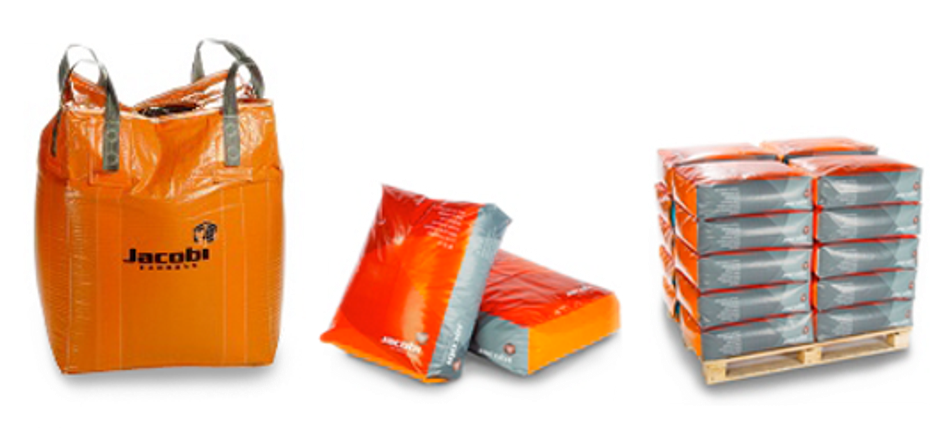
Dosing year round at a low level (background dosing) is often employed, increasing dosage and/or incorporating a higher efficiency product during the high season when the prevalence of taste and odour compounds increase. Powdered activated carbon dosing removes cyanotoxins produced by blue green algae blooms. Over one hundred species of cyanotoxins have been identified and classified. Most favour removal by meso/ macro porous activated carbons with some species (e.g. sanitoxin) being preferentially adsorbed by microporous activated carbons. When water is treated with disinfectants like chlorine and ozone, by-products such as Trihalomethanes are formed when Natural Organic Compounds are present in the raw water. Removal of NOM with PAC at the beginning of the water treatment steps is a useful tool to reduce the likelihood of THM formation.
Granular activated carbon is usually deployed at the end of the treatment line as polishing step prior to disinfection. GAC beds remove organic contaminants not taken out by upstream processes. Typical pollutants are residual dissolved organic matter, pesticides, toxins from algal degradation, chlorinated compounds, PFAS, other “emerging contaminants” such as pharmaceutical ingredients, humic acids, and colour.
The GAC bed design requires attention to the activated carbon pore size distribution best suited to the water composition, activated carbon characteristics such as particle size and hardness, operational considerations of contact time, backwash expansion needs, and regulatory compliance.
Biological Activated Carbon
Activated carbon performs in biological mode when naturally occurring micro-organisms colonise the activated carbon surface.
The rough, irregular GAC surface offers an ideal substrate for microbes to cling to as it shelters them from the shear forces of filter bed operations creating a hospitable micro habitat for the microbes.
Water temperature affects the ease of colonisation by bacteria. Warmer water enhances the colonisation, cooler water may require customising the activated carbon type to achieve a more complex surface texture.
A healthy microorganism colony breaks down dissolved organic biodegradable compounds for nutrients, in the process removing colour, algae toxins, taste and odour compounds and ammonia.
Preconditioning inflow water with ozonation converts much of the natural organic matter into more readily assimilable, less complex forms enabling them to be more easily consumed by bacteria. Ozonation also results in a filter influent with high-dissolved oxygen, which also aids the biology.
Biological activated carbon beds can extend GAC service life for years after physical adsorption performance declines.