
Metsorb (Titania Adsorbent)
MetSorb® HMRG is a highly effective granular adsorbent for removal of arsenic III & V, and a wide variety of heavy metals including Lead, Cadmium, Copper, Chromium+6, Selenium, Antinomy, Mercury, Uranium, and Zinc from aqueous sources.
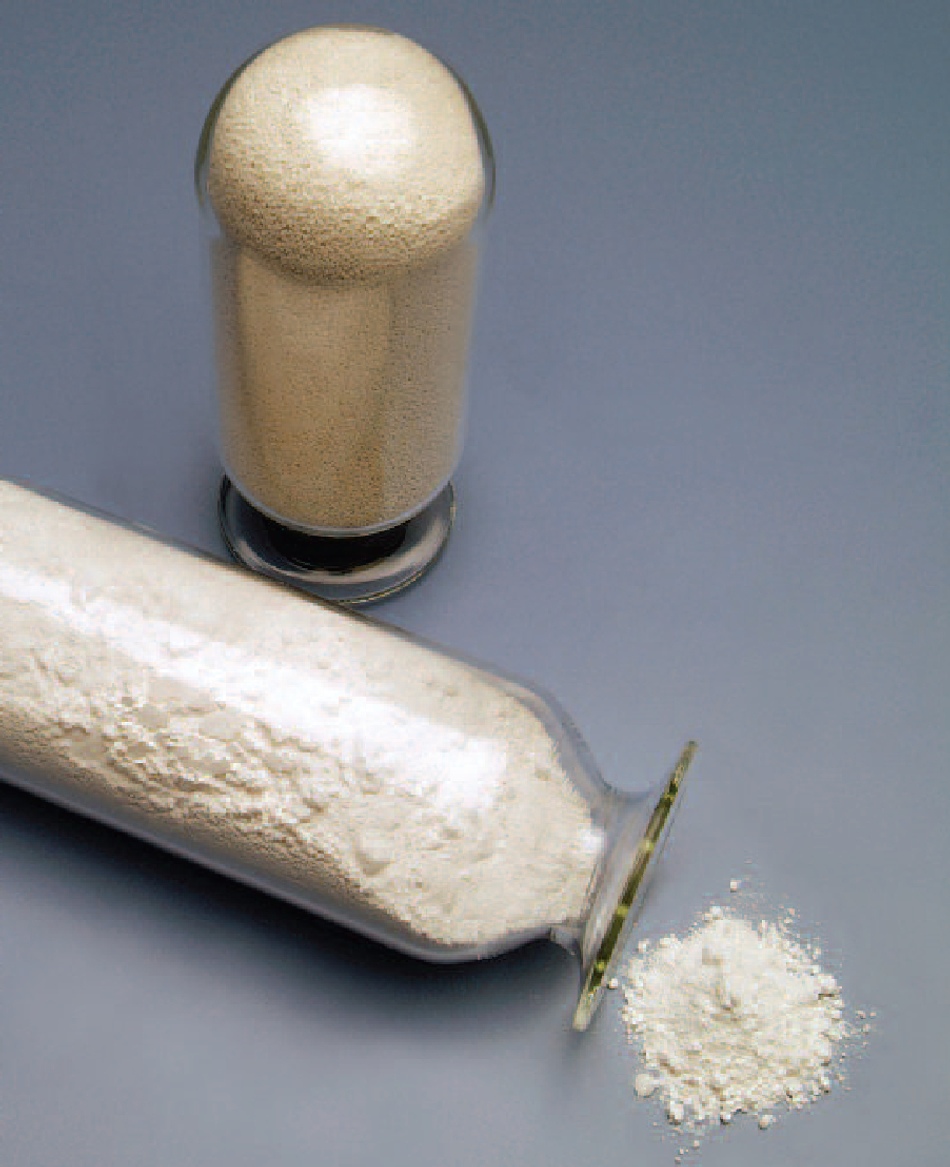
MetSorb® adsorbent is a patented Titanium compound used to adsorb both forms of arsenic as well as a wide range of contaminants in water. It is commonly used in drinking water treatment systems for removal of arsenic and dissolved heavy metals. It is widely applied in municipal, industrial and small community water treatment plants where ground water or surface water sources contain elevated levels of contaminants. Metsorb is particularly effective because of it’s high adsorption capacity, rapid reaction kinetic, and ability to achieve very low residual contaminant concentrations without significantly affecting water chemistry. It’s use helps water suppliers comply with drinking water standards and protect public health by reducing exposure to toxic metals associated with long term health risks.
The increased surface area provided by Titanium coupled with advanced pore volume provides excellent kinetics of adsorption. MetSorb® maintains a higher capacity and a lower level of ion interference than competitive iron and alumina-based products. The media is long-lasting and upon exhaustion, has consistently tested non-hazardous for disposal classification. The media is NSF Standard 61 approved.
Arsenic Adsorption Process Description MetSorb®
MetSorb® is supplied in as both HMRG (granular) and HMRP (powder) material to adsorb both forms of arsenic as well as a wide range of contaminants in water. Arsenic adsorption is the process of arsenic ions bonding to the surface of the media particles. Arsenic is adsorbed on the media when dissolved arsenic ions come close to the surface of a media particle. Dissolved arsenic ions are mixed throughout the water, so arsenic reduction is not instant. It takes time for the ions to come in close contact with the surface of a media particle. The longer the water is in contact with the media, the more opportunity there is for arsenic to be adsorbed by the media. In an application, this time is expressed as Empty Bed Contact Time (EBCT). It is defined by the amount of time it would take water to flow through the media bed if the tank were empty. Higher flow rates result in lower contact time. A larger media bed results in higher contact time.
A minimum EBCT of 90 seconds is recommended for efficient arsenic reduction. This equates to a maximum flow rate of 5 GPM/ 1 ft³ of media.
MetSorb® Features and Benefits
- Removes As (III) and As (V) to <1.5 μg/L (non-detect)
- High adsorbent capacity for arsenic and lead (>10 mg As per gram of METSORB®)
- Extremely Fast Kinetics: Empty Bed Contact Times (EBCT) between 1.5 - 3 minutes
- Reduced equipment footprint
- Simple installation and start-up
- Reduced (in some cases eliminated) frequency of backwash
- Non-hazardous disposal as solid waste–passes EPA TCLP (Toxicity Characteristic Leach Procedure)
- No regeneration Chemicals Required